
The message changes by channel
The website says one thing, sales material says another, and every campaign starts from scratch. Buyers are left to assemble the story.
Service system · 03
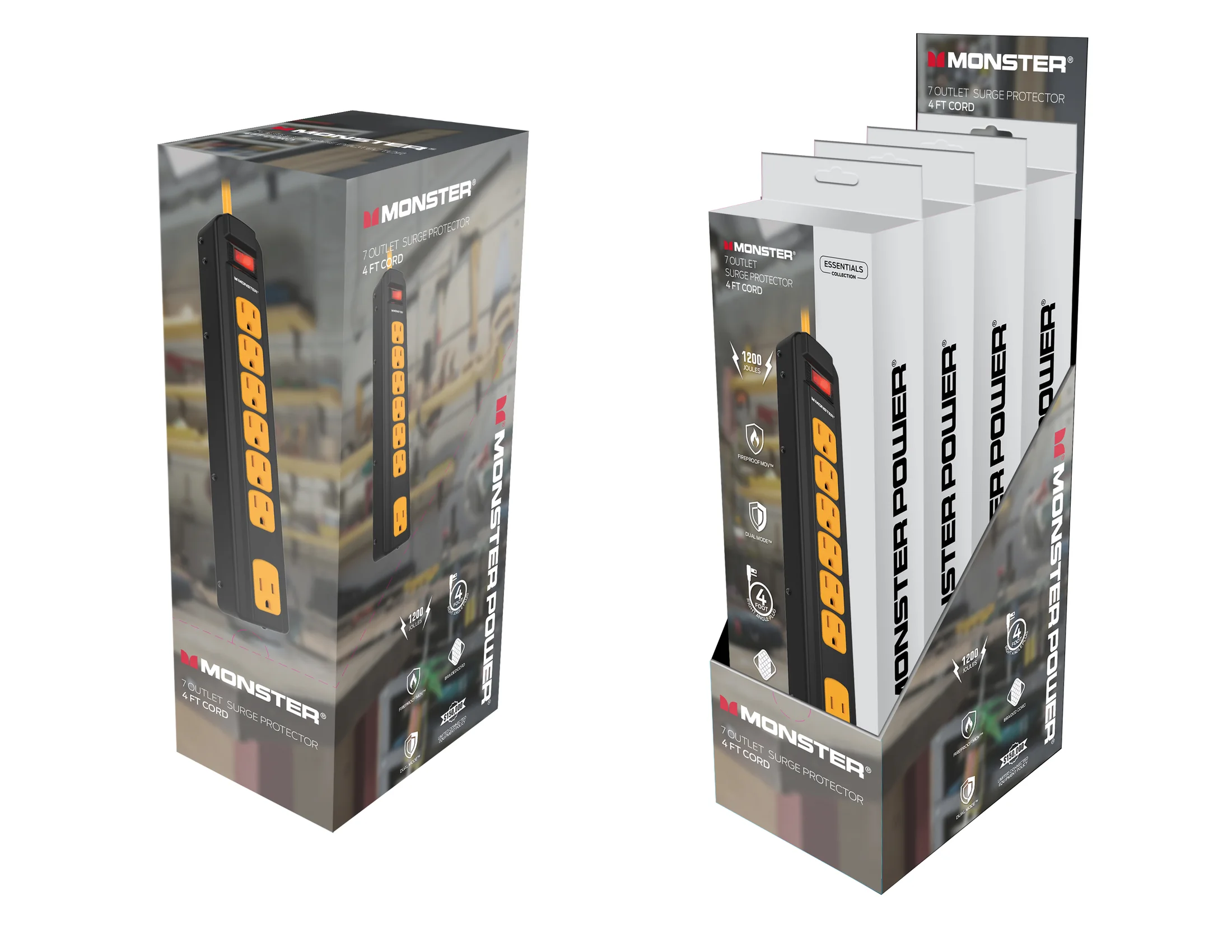
A brand is not just a logo file. It is the working system that carries your value from the first search result to the sales conversation, proposal, product package, trade-show floor, and next campaign.
Decision obstacles · 01
The website says one thing, sales material says another, and every campaign starts from scratch. Buyers are left to assemble the story.
A logo looks finished while proposals, packaging, presentations, and social graphics still feel unrelated because practical application rules are missing.
When each initiative begins with a new voice and visual treatment, the business recreates recognition instead of building it.
Strategic frame · 02
Positioning answers why a buyer should choose the business and what evidence supports that answer. Identity gives it recognizable form. Messaging gives people language they can repeat. The three have to work together.
Anderson connects the strategic core to the materials that carry it: websites, proposals, product literature, packaging, campaigns, and trade-show environments. The result is a working tool, not a presentation to admire and shelve.
Connected output · 03
Give leadership, sales, and marketing a common language for the audience, value, proof points, and priorities.
Create the mark, color, typography, imagery, layout principles, and straightforward rules that keep the work recognizable.
Apply the system to proposals, presentations, catalogs, product literature, packaging, and specification-driven materials.
Build reusable structures for landing pages, advertising, email, social, and trade-show materials so launch work reinforces the brand.
Working sequence · 04
Review what buyers and teams already encounter and identify where the story or identity is breaking down.
Establish positioning, message hierarchy, proof, and audience priorities before visual production begins.
Develop the visual and verbal framework and test it in the applications that matter most.
Produce priority materials, organize standards and assets, and establish a practical path for future applications.
Best-fit signal · 05
A strong fit for established businesses that have outgrown an inconsistent identity, are introducing a new offer, or need sales and marketing materials to behave as one system. This is not a logo-only exercise; it begins with an operational need.
Questions before action · 06
A logo is one identifier. A brand system connects positioning, identity, message, and application rules across the materials buyers and teams actually use.
No. Priority buyer touchpoints come first. Existing materials can be brought into the system over time.
Yes. If the core identity remains sound, the work can focus on messaging, usable standards, and applications that need attention.
The same positioning, hierarchy, and visual rules guide the web and campaign work, preventing each new initiative from becoming another version of the business.
Next action · 07
If positioning, identity, and marketing materials are no longer telling the same story, start with the touchpoints buyers and teams use most.