
The capability is real; the explanation is not
Prospects see a dense list or generic claims instead of a clear account of the product, process, and differentiators.
Service system · 06
A technical product, process, or service should not need a long sales call to become legible. Anderson connects the web, product imagery, packaging, collateral, and trade-show materials that help buyers see what matters.
Decision obstacles · 01
Prospects see a dense list or generic claims instead of a clear account of the product, process, and differentiators.
Product pages, specification sheets, packages, proposals, and booth graphics drift because they were developed at different times.
Complex decisions depend on product construction, application, scale, process, and the people behind the work.
Strategic frame · 02
Industrial marketing is not a collection of disconnected deliverables. Buyers may begin with search, compare specifications, handle a package, review a sales sheet, and meet the brand on a show floor. Each moment should make the next easier.
Anderson organizes the commercial story before producing the pieces: what the buyer needs first, which technical detail earns confidence, and where web, photography, packaging, collateral, or an environment carries the most weight.
Connected output · 03
Organize product and capability pages around applications, differentiators, specifications, proof, and a useful next action.
Document the actual component, product, facility, process, and people so every channel has consistent evidence.
Turn complex information into an ordered path across catalogs, product sheets, specifications, packages, and launch tools.
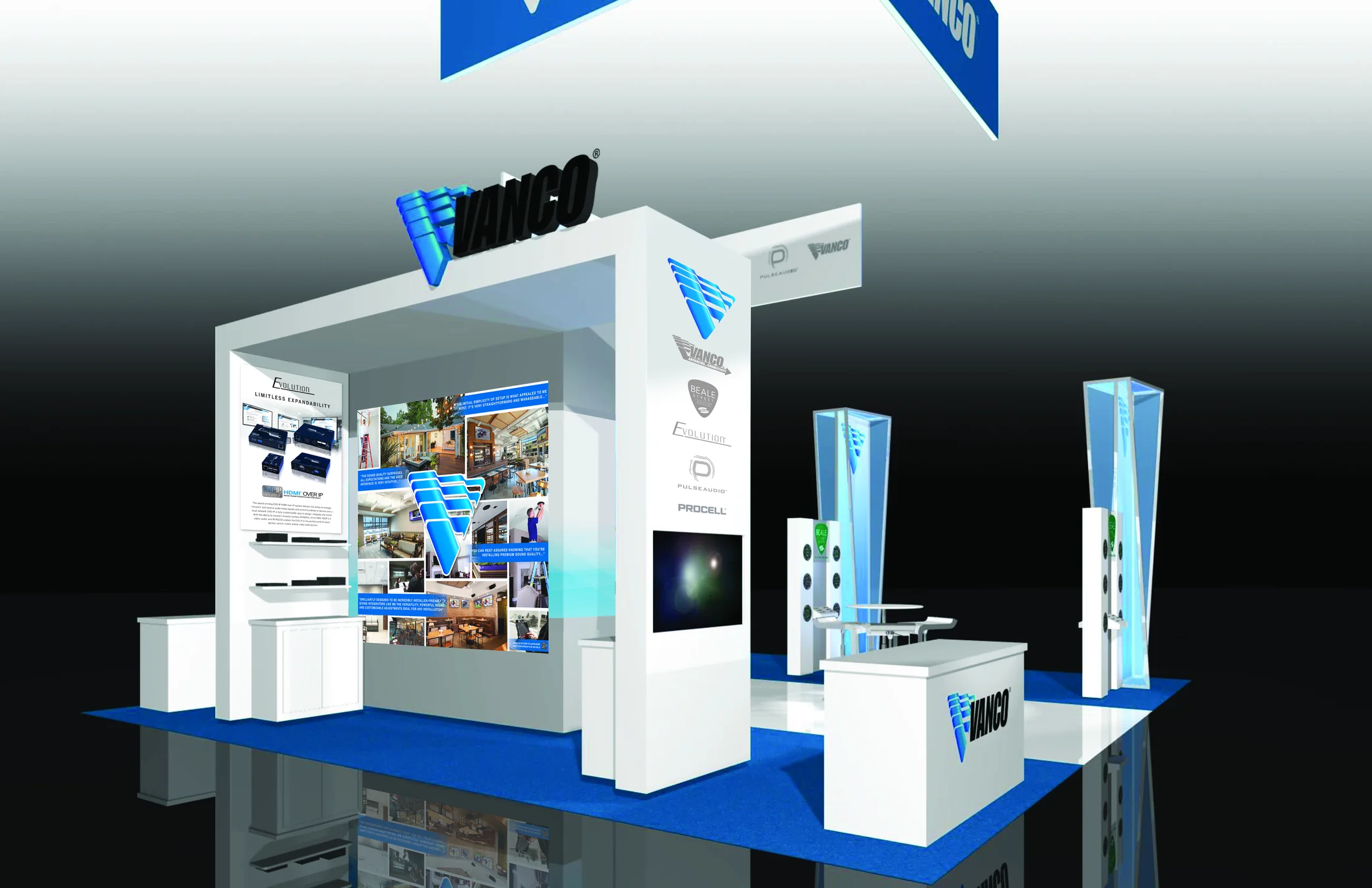
Translate the same positioning into booth graphics, displays, product presentation, and handouts built for limited time and attention.
Working sequence · 04
Establish the commercial objective, audience, product hierarchy, buying questions, and current points of confusion.
Define the core story, technical proof, imagery needs, and content structure before production begins.
Develop the agreed channels while keeping language, hierarchy, and proof aligned from concept to finished materials.
Prepare the pieces for web, sales, packaging, or the show floor and identify the next useful improvements.
Best-fit signal · 05
A strong fit for manufacturers, industrial suppliers, technical product companies, and established B2B firms whose offer deserves more than a generic service page or one-off brochure. Geography is not the deciding factor; complexity and the need for connected marketing are.
Questions before action · 06
Manufacturers, technical product companies, industrial suppliers, and established B2B firms that need a complex offer clarified across digital, print, packaging, and in-person sales environments.
No. Begin with the greatest point of friction—a product section, image library, catalog, specification system, package, or trade-show program—then extend when useful.
The process begins with the people closest to the product, process, and customer. Their knowledge informs the architecture, content, and review points.
No. Anderson is based in Chicagoland and works beyond it. The fit is the complexity of the offer and the need for connected marketing, not a county line.
Next action · 07
Identify the few connected pieces that will carry the most weight—from the web experience and product imagery to collateral, packaging, and the trade-show floor.