
Create repeatable visual decisions
Use a clear silhouette, dependable scale, controlled lighting, and enough negative space for product information and multiple crops.
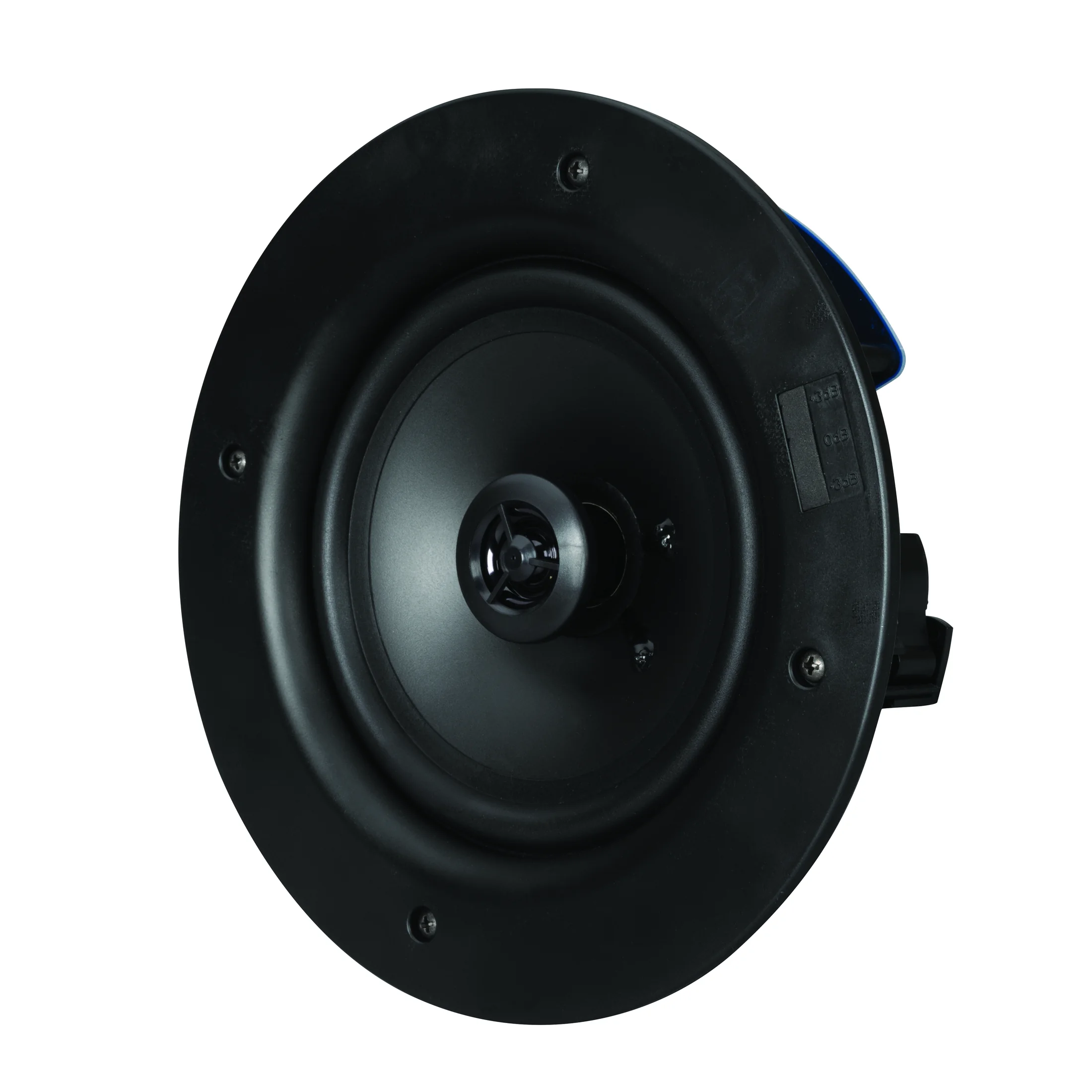
Project spotlight · Product imagery
This category-led spotlight shows an image system designed to make form, finish, detail, and product-family relationships easy to read across technical products, packaging, materials, and styled presentations.
Project context · 01
A product image often has to answer questions before a buyer reads a specification: what the item is, what its form reveals, which details distinguish it, and how it relates to adjacent products.
The selected files support a category-based Product Photography spotlight. They do not establish project dates, commissioning relationships, channel placement, sales, conversion, awards, or other performance results.
The assignment · 02
The work needed to make products legible at more than one level while holding together as a set: recognizable primary views, controlled alternate angles, readable detail, and contextual staging only where it adds useful information.
Use a clear silhouette, dependable scale, controlled lighting, and enough negative space for product information and multiple crops.
Isolate technical form when inspection matters; reveal a second package panel when information matters; add context only when it improves understanding.
Plan primary, alternate, paired, detail, and styled views so one shoot can support more than one page or channel.
Observable output · 03
Primary product isolations for listings, specifications, catalogs, and layouts.
Repeatable three-quarter package views showing front and secondary panels together.
Detail-led compositions that make components, texture, material, and form easier to inspect.
Product-family and paired-product images with a common visual treatment.
Styled scenes where ingredients, context, or usage cues genuinely support the product story.
Visual record · 04
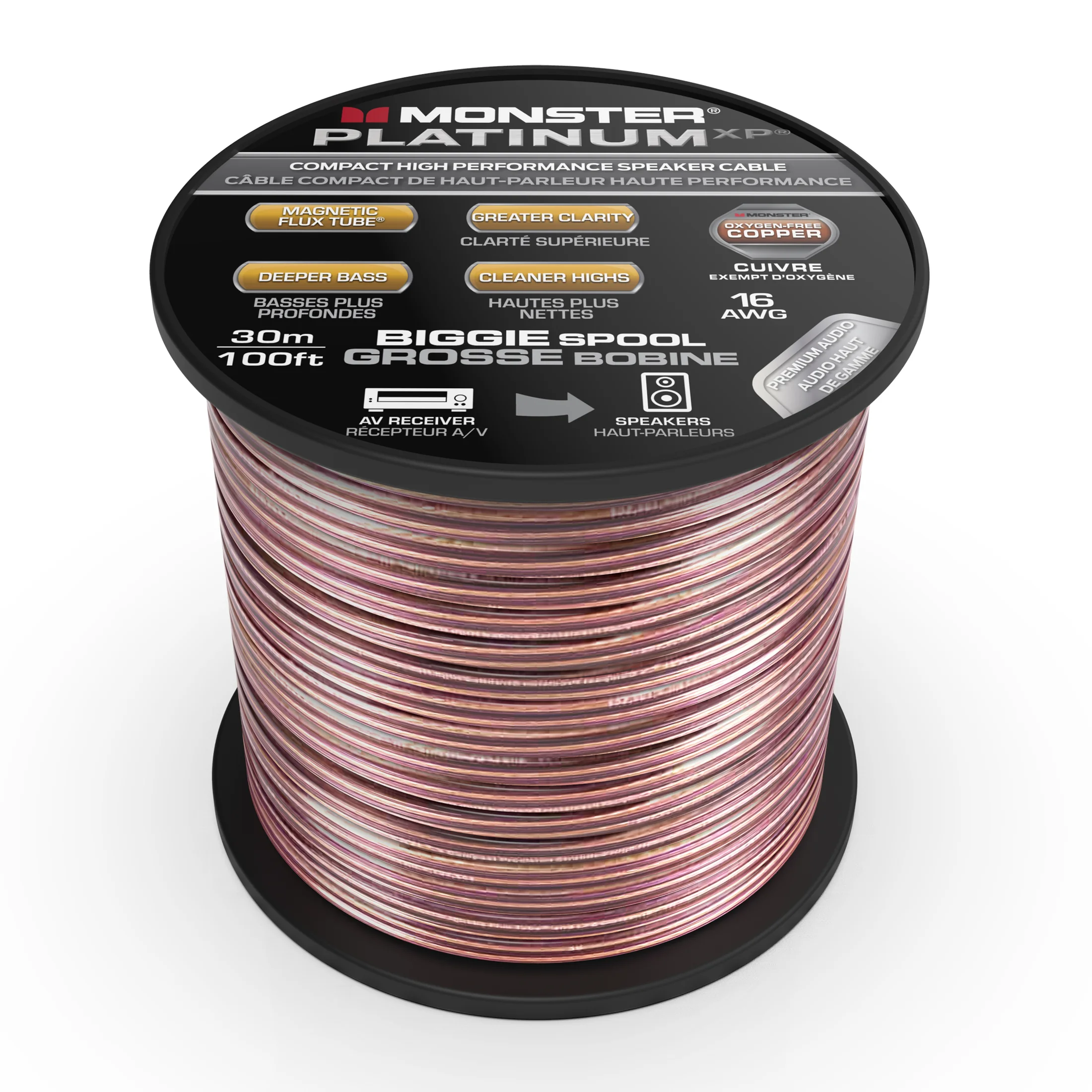
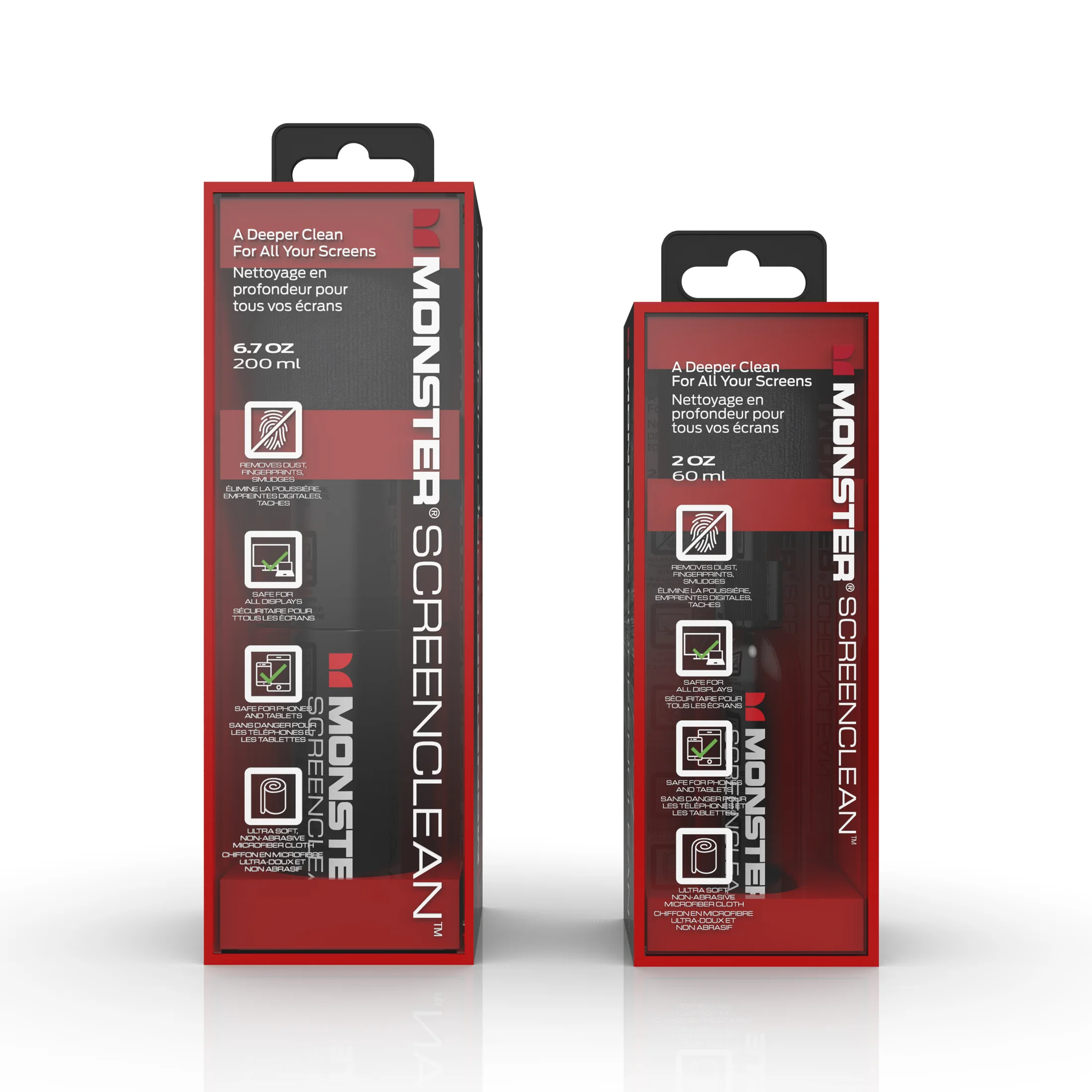
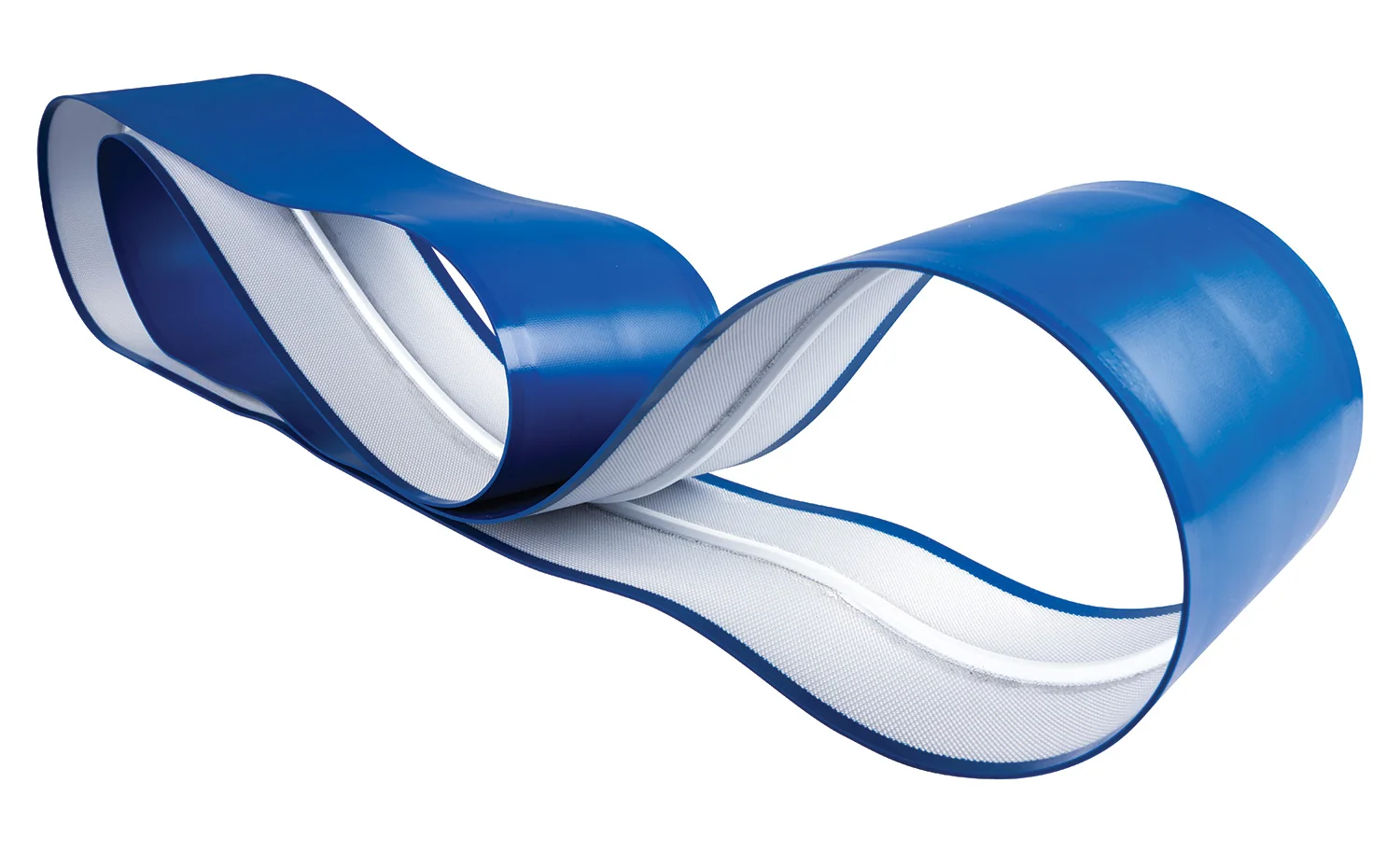
Design logic · 05
Isolated technical products use white ground, clear silhouette, soft shadow, and controlled highlights. Packaged goods use consistent three-quarter views and centered scale. Products that need sensory or material context shift deliberately, but the hierarchy stays simple: subject first, supporting cues second.
Evidence boundary · 06
The observable outcome is a varied but disciplined set of product visuals: clean views for listings and specifications, alternate angles for layouts, paired products for comparison, and styled imagery for editorial or promotional use. These are practical format observations, not claims of market performance.
Project inquiry · 07
Bring the product, its important details, and the places buyers encounter it into one image plan that sales, marketing, and production teams can keep using.